
Updated on: 2026-01-10
Keeping reformer mats clean supports comfort, confidence, and a welcoming studio experience. This guide explains simple hygiene habits, what to avoid, and how to choose care products that are gentle yet effective. You will find practical tips, a balanced pros and cons overview, and thoughtful answers to common questions. The goal is to help your space feel calm, fresh, and considerate of every body that visits.
- Common Mistakes to Avoid
- Pros & Cons Analysis
- Quick Tips
- Wrap-Up & Key Insights
- Q&A Section
- About the Author
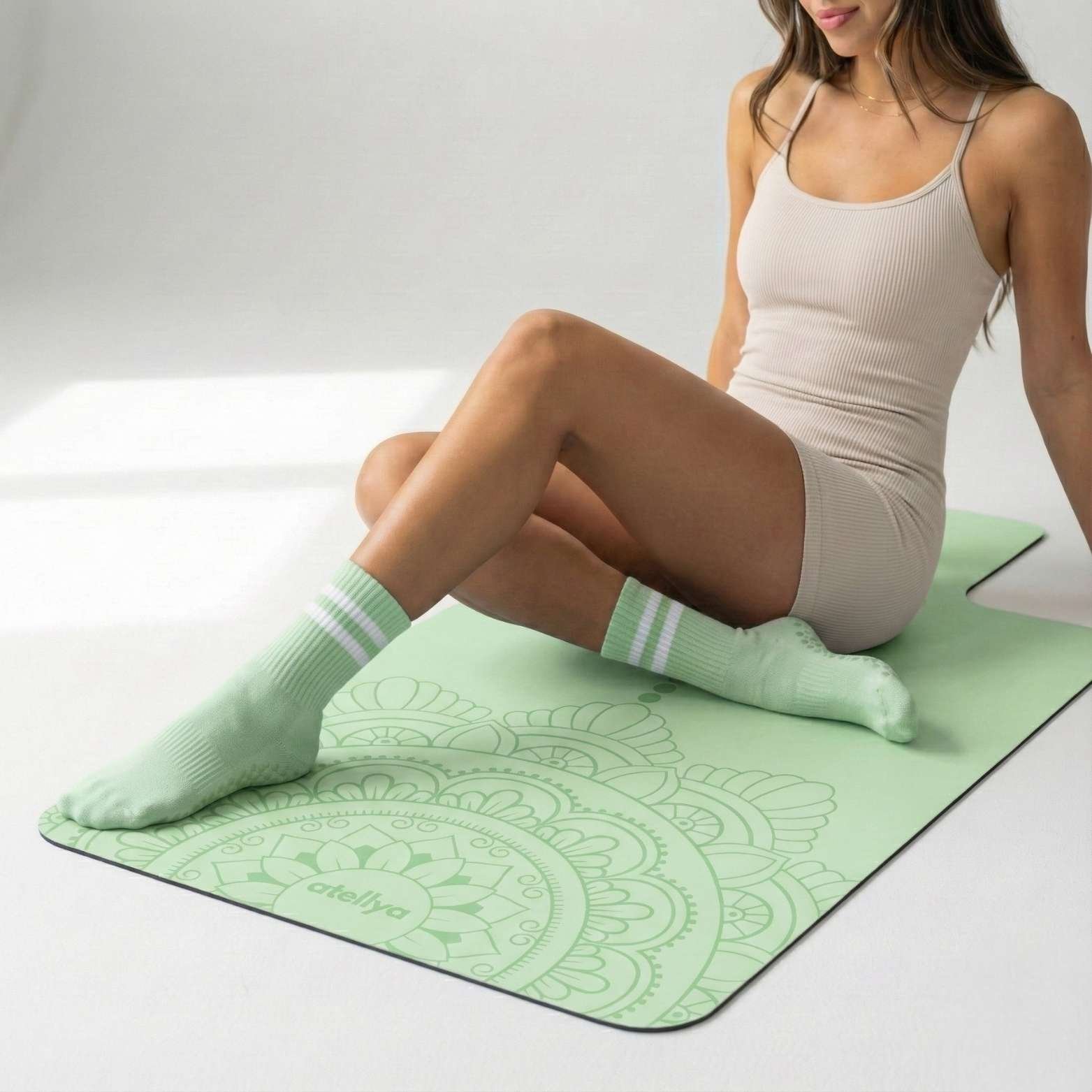
Clean, well-cared-for reformer mats support trust as much as they support alignment. When you choose or maintain a pilates studio hygiene mat, you show respect for your community’s comfort and for the longevity of your equipment. This article offers a calm, practical approach to cleanliness that fits naturally into class flows. You will learn which habits reduce wear, which cleaners protect surfaces, and how to set a simple routine that helps studios feel inviting. We will also look at trade-offs, so you can make kind, informed decisions about time, materials, and outcomes. If you would like design-led options that are easy to wipe down, you may wish to explore Atellya or shop the collection for inspiration.
Common Mistakes to Avoid with a pilates studio hygiene mat
Small oversights can affect both cleanliness and the mat’s useful life. These are common pitfalls and gentle ways to avoid them.
- Using harsh chemicals. Bleach, high-solvent sprays, or abrasive powders may degrade textures and color. Consider mild, pH-balanced cleaners and soft cloths to preserve grip and finish.
- Over-saturating the surface. Excess liquid can seep into seams or foam and slow drying. A light mist and a gentle wipe are often enough for routine care.
- Skipping drying time. Storing or rolling a damp mat may encourage odors. Allow airflow between classes. A few extra minutes can make a noticeable difference.
- Using rough scrubbers. Scouring pads can scratch or thin protective coatings. Microfiber cloths are kind to surfaces and tend to lift oils more effectively.
- Ignoring sweat-prone areas. Hand and foot zones collect oils. A targeted wipe of contact points is a simple habit that helps mats feel fresh.
- Not clarifying studio etiquette. Gentle reminders about wiping down equipment, socks or grip socks, and hand hygiene make a big impact. A small sign or brief note in class can help everyone.
- Infrequent deep care. Quick wipes are helpful, but occasional deeper cleaning (following manufacturer guidance) keeps buildup at bay without overdoing it.
- Storing mats without breathability. Sealed cabinets or tight bins may trap moisture. A ventilated rack or spaced hooks supports air circulation.
If you rely on dedicated accessories that make care easier, a design-first approach like the one described on About Atellya may be helpful when reviewing materials and finishes.
Pros & Cons Analysis
Every cleaning choice involves trade-offs. Here is a balanced view to guide your routine.
Pros
- Comfort and reassurance. A clean mat supports a calm headspace, which can ease focus and movement quality.
- Professional presentation. Consistent care reflects thoughtful studio standards and attention to detail.
- Longevity. Appropriate cleaners and storage protect textures, stitching, and color over time.
- Smoother class changeovers. Clear habits (quick wipe, brief dry, tidy storage) help transitions feel easy.
- Hygiene across touchpoints. Contact zones (hands, feet, shoulder rests) feel fresh, which many clients appreciate.
Cons
- Time and consistency. Adding a care step requires shared commitment from staff and clients.
- Product sensitivity. Some cleaners can discolor or reduce grip if not matched to the material.
- Drying space. Good airflow and spacing are helpful. Smaller studios may need a simple rotation system.
- Cost of supplies. While mild solutions are often affordable, regular replenishment is still a budget item.
- Learning curve. New staff may need a quick orientation to the routine and preferred products.
Thoughtful choices keep benefits high while easing the practical side. It may be helpful to note your preferred cleaner type, cloths, and storage plan on a small checklist near the equipment. If questions arise, you are welcome to contact our team for friendly guidance.
Quick Tips
- Wipe high-contact zones after every class with a mild, non-abrasive solution.
- Use a soft microfiber cloth; replace it when it feels overly damp or shows wear.
- Lightly spray the cloth first; avoid pooling liquid on the mat.
- Allow a short air-dry period before rolling or storing.
- Rotate mats to balance wear and support consistent freshness.
- Train a simple, two-step routine (wipe and air) for quick turnover times.
- Schedule a deeper clean weekly or as needed, following care guidance from the maker.
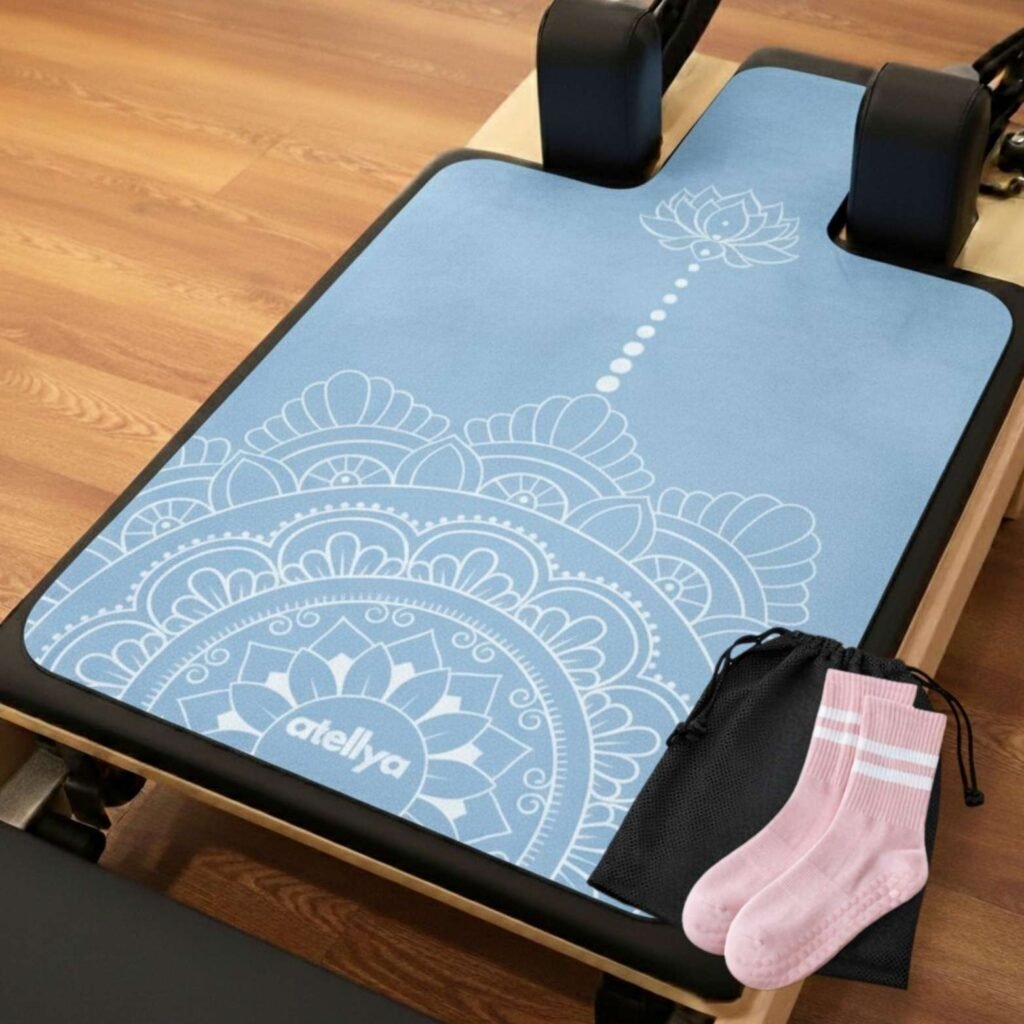
- Encourage grip socks gently; many clients appreciate the extra comfort.
- Post a friendly reminder about wipes and disposal near the reformers.
- Store mats on an open rack or hooks to promote airflow.
- Keep an extra cloth set ready so the next class begins smoothly.
- Note any discoloration or texture change; switch to gentler products if needed.
Design-led accessories that balance texture, comfort, and easy care can further simplify this routine; you may enjoy browsing curated options for ideas that suit your space.
Wrap-Up & Key Insights
Cleanliness is part of the teaching environment. With a light spray, a soft cloth, and a brief dry time, your studio can feel welcoming while protecting materials. Clear etiquette, gentle products, and small storage improvements tend to bring the best results with minimal effort. When your pilates studio hygiene mat is cared for consistently, clients often notice the calm, intentional atmosphere it supports. If you are exploring approachable, modern designs that are simple to maintain, you might like to visit Atellya for inspiration and options.
Q&A Section
How often should a studio mat be cleaned?
Light cleaning after each class is a considerate practice. A quick wipe of contact areas and a short air-dry usually fit within turnover time. For busier schedules or warmer days, a slightly longer dry time may help. Deep cleaning can be planned weekly or as needed. Observing how quickly mats accumulate oils in your space is a good guide; adjust the routine gently based on what you see.
What cleaning products are safe for reformer mats?
Mild, pH-balanced solutions are commonly preferred. Alcohol-free sprays and gentle soaps diluted in water can work well on many surfaces. Avoid strong solvents or abrasive powders, since they may fade color or reduce grip. Always test a small, inconspicuous area first. If the mat includes a protective finish, choose a cleaner recommended by the manufacturer to help preserve texture and tone.
Is sharing mats okay if the studio sanitizes them?
Sharing can be manageable when the studio maintains consistent hygiene habits. A simple routine—wipe, air-dry, and store with airflow—goes a long way. Providing optional personal towels or encouraging clean socks offers extra reassurance. If a client prefers their own mat surface, that choice can be respected as well. The aim is to create an environment where everyone feels comfortable and cared for.
About the Author
Written by Atellya’s editorial team, which focuses on thoughtful studio essentials and easy-care design. We enjoy helping owners and instructors create calm, welcoming spaces through considerate product choices and simple routines. Thank you for spending time with us today.