Start by Getting to Know the Equipment
Trying reformer pilates at home starts with understanding the machine, finding suitable instruction, and making room to practice. You don’t need a picture-perfect exercise room or a long list of accessories. You do need a setup you understand and guidance that matches your experience.
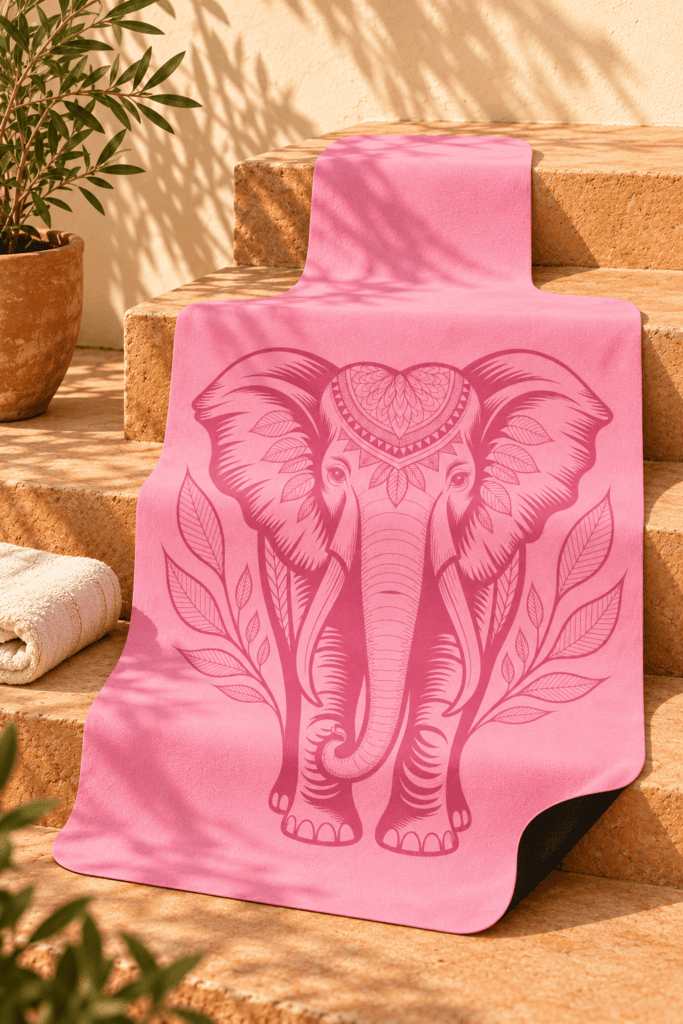
Looking for an accessory for your reformer? The Lucky Elephant art Pilates reformer mat set is a 3-in-1, non-slip, ultra-light option to look at.
If you’re still exploring the idea, give yourself time to learn before making a large purchase. An introductory session can help you decide whether you enjoy the equipment and what you would need to use it at home.
What Is a Pilates Reformer?
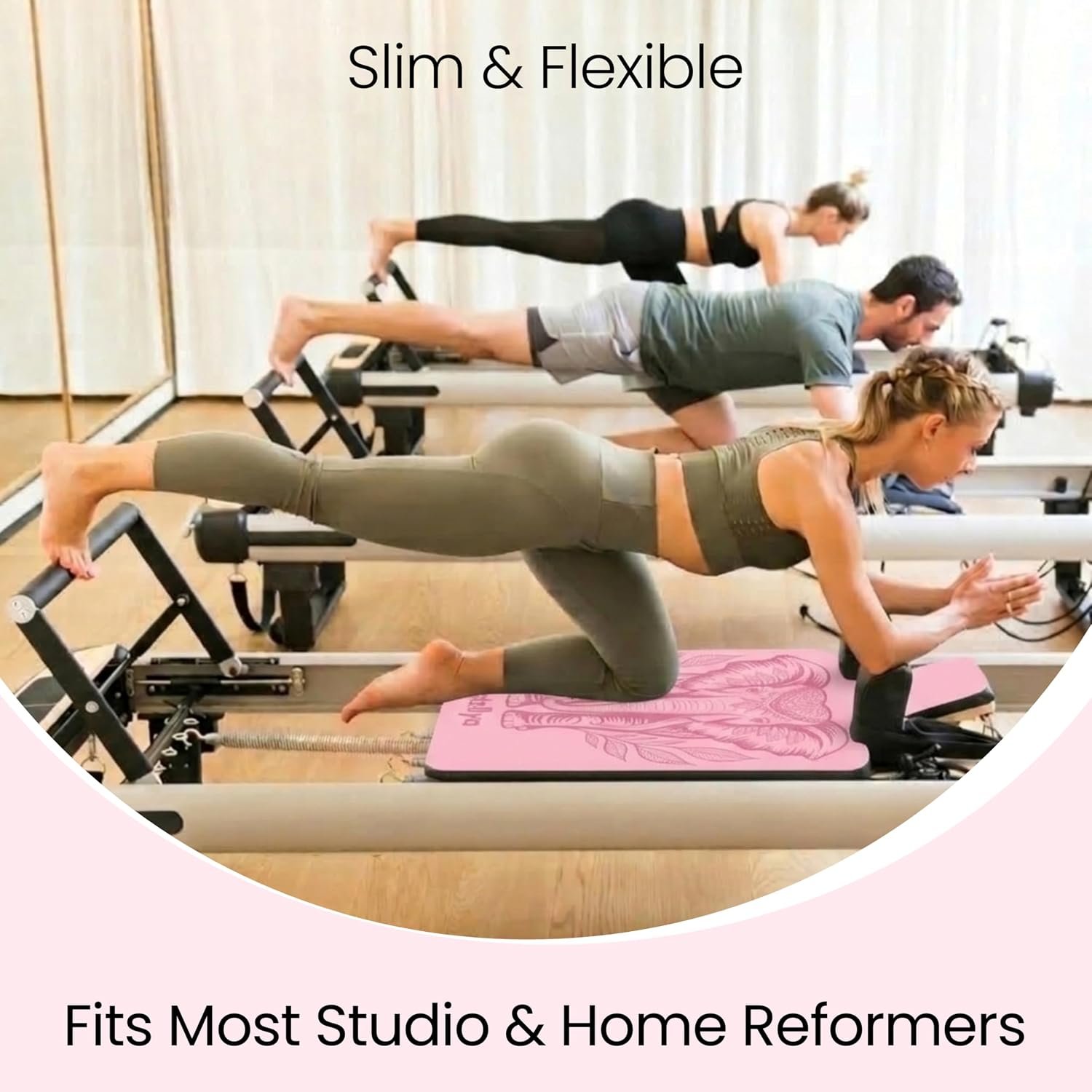
A reformer is an exercise machine with a moving platform called a carriage. Springs provide resistance, and components such as a footbar, straps, and shoulder rests support different exercises. The exact features and adjustments depend on the model.
Mat Pilates takes place on a floor mat. Reformer Pilates uses the machine’s moving carriage and spring system. Some movement ideas overlap, but the equipment changes how you set up and perform them.
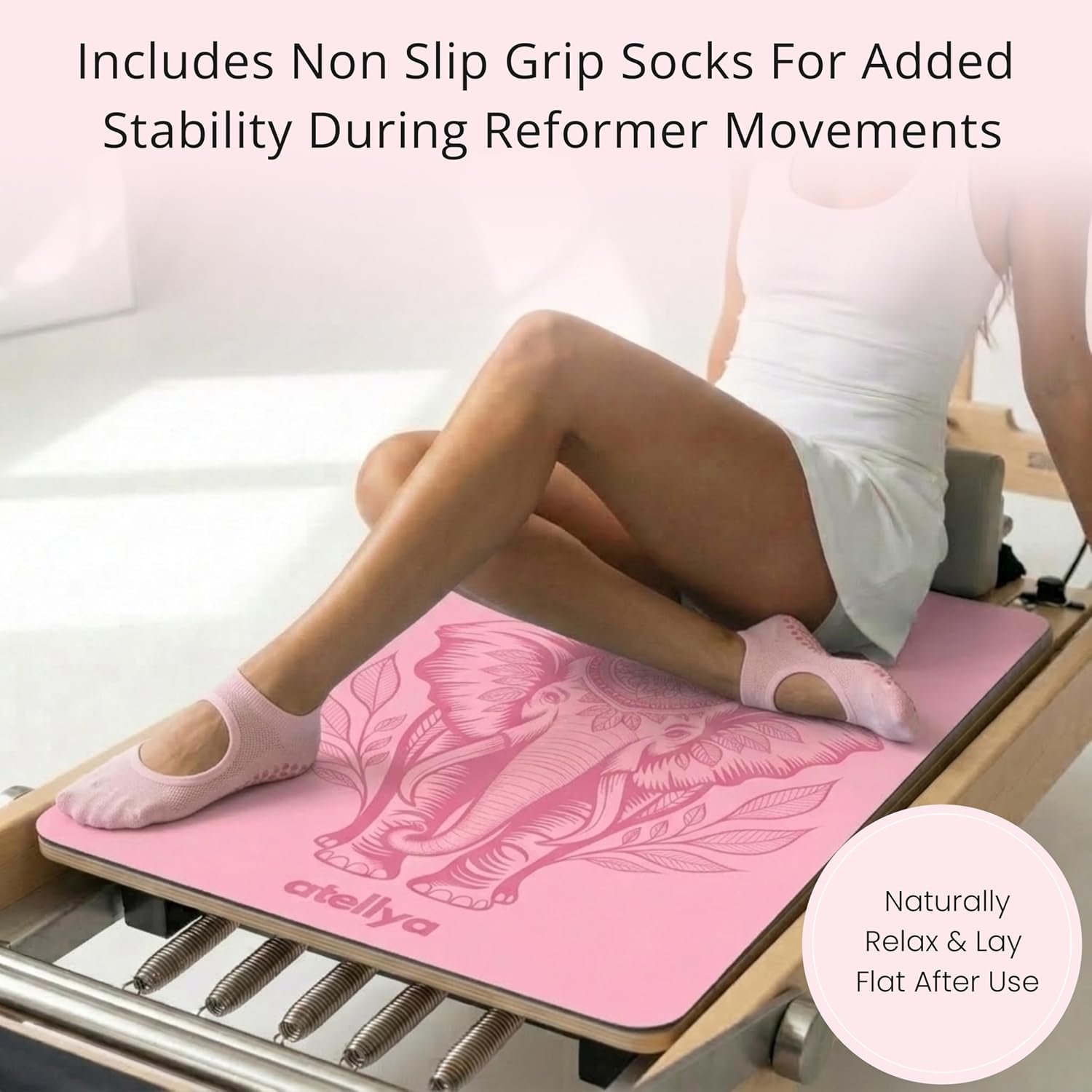
A reformer mat is an accessory for the machine; it does not replace a reformer. If you’re browsing accessories, the Atellya Lucky Elephant art Pilates reformer mat set is described as 3-in-1, non-slip, and ultra-light. Check fit and compatibility with your equipment before choosing any accessory.
Planning for Reformer Pilates at Home
Try a Guided Introduction First
Look for an instructor trained to teach on the reformer. Explain that you’re a beginner considering home practice, and ask for help understanding the equipment as well as the movements.
A useful introduction should cover getting on and off, making adjustments, and understanding spring settings. These are skills to learn with guidance, rather than details to figure out while following a fast-moving routine.
Choose Instruction That Matches Your Setup
Before joining an online session, tell the instructor which reformer you have. Ask whether the class assumes prior experience and whether they can explain adjustments for your model.
For live instruction, position your camera so the instructor can see the relevant equipment and your movement. For recorded lessons, preview the session first. If the setup is unfamiliar, save it until you can ask questions. Follow any supervision requirements in your machine’s instructions.
Plan the Full Cost
Think beyond the machine’s purchase price. Delivery, assembly, instruction, accessories, and ongoing maintenance may all affect your budget. Ask what is included and what you would need to arrange separately.
If you’re unsure whether home practice suits you, start with lessons before committing to equipment. You’ll have more information about what you enjoy and which features matter to you.
Make Space for the Machine and the Movement
Measure your room before choosing a reformer. Use the manufacturer’s dimensions and required clearances, allowing space around the machine as well as room for its moving parts. Consider doors, furniture, overhead fixtures, and the route used to bring equipment inside.
Also think about everyday use. A machine that fits only after rearranging the room may be less convenient than you expect. If you’re considering a folding or movable model, check its storage instructions and handling requirements.
- Choose a space with enough light to see adjustments clearly.
- Keep cords, loose rugs, and clutter out of your walking path.
- Place your screen where you can see it before starting a movement.
- Keep water and other belongings outside the equipment’s working area.
- Plan where accessories will go when you aren’t using them.
Follow the manual’s placement requirements. For example, equipment instructions may specify a level surface and precautions around moving parts, children, and pets. Use the guidance for your particular machine.
Learn the Adjustments Before Learning More Exercises
Understand Spring Settings
Ask your instructor to explain the spring settings used in each exercise and how to change them on your reformer. Don’t choose settings simply because they appear in another person’s workout.
Write down the instructions using your own machine’s terminology. If a class describes equipment differently, pause and clarify the setup before continuing. Having a clear reference is more useful than trying to remember an unfamiliar adjustment halfway through a session.
Practice the Transitions
Ask for demonstrations of how to enter, leave, and change positions on the machine. Include adjustments to the footbar, straps, and headrest where relevant to your equipment and lesson.
You can make these transitions part of your learning goal. A session spent becoming comfortable with setup is worthwhile, even if you cover fewer exercises than expected.
Keep Your First Sessions Manageable
Agree on an introductory plan with your instructor. Choose a time when you can pay attention without rushing to finish before another commitment. Leave room beforehand for setup and afterward for putting things away.
Keep a small notebook nearby and write down questions after the session. Useful notes might include an adjustment you want explained again, an instruction you didn’t understand, or a camera position that needs changing.
Measure progress through familiarity: recognizing equipment terms, following setup instructions, and knowing when to ask for help. You don’t need to add harder movements each time to make the practice worthwhile.
If you feel pain or dizziness, stop the session rather than trying to finish the sequence. Manufacturer safety instructions also identify these as reasons to stop exercising.
Build Equipment Care into Your Routine
Keep your manual accessible and follow its inspection, cleaning, and maintenance schedule. Equipment makers provide model-specific guidance, so avoid assuming that a cleaning product or maintenance tip works for every reformer.
Choose a convenient place to keep approved cleaning supplies and your setup notes. If you notice a change in how the equipment looks or operates, pause use and ask the manufacturer or an appropriate service provider about it.
Your first step can be small: book an introduction, measure the room, or make a list of questions. Each helps you decide whether a home setup fits your space, budget, and preferred way of learning.
Related reading: choosing a mat for your reformer? See our Pilates reformer mat buying guide and the 10 best Pilates reformer mats in 2026. You can also see the Lucky Elephant Pilates reformer mat set or browse all Pilates mats.
Ready to try it? Start with instruction and a clear equipment plan. When you’re exploring accessories, this Lucky Elephant reformer mat set is one option to consider alongside your machine’s compatibility requirements.